Home & Kitchen Guides Storage & Shelf Life
How to Store Bread, Baked Oatmeal, and Family Pans for the Next Day
A practical storage guide for cooling, covering, refrigerating, freezing, and reheating family-size breads and pans so the second meal still feels worth serving.
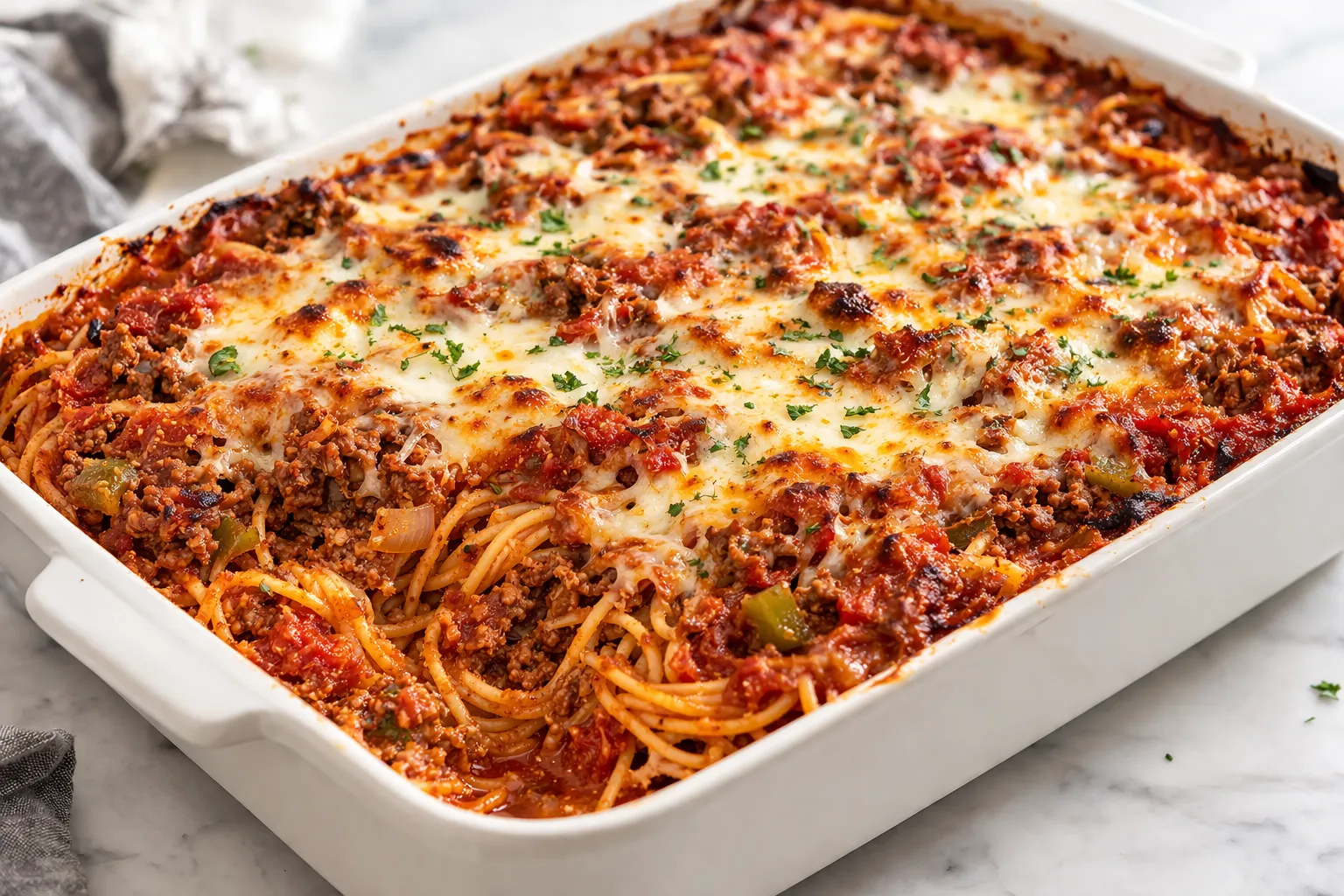
If you want to cook with this guide open beside the pan, start withBig-Batch Buttermilk Sandwich Bread, Baked Oatmeal with cinnamon and Apples for 10, and Family Pan Baked Spaghetti.
If this question leads into another one, keepHow to Cool Big Pots Safely and Make-Ahead Mashed Potatoes Guide nearby.
If you want the notebook version of this idea, keepBy Wednesday, the Supper Plan Breaks — Here Is How We Catch It and At 7:10, Breakfast Starts Too Fast — Here Is How We Hold It handy too.
Carryover food only helps if it still eats well tomorrow. A great pan can turn sad fast when it gets trapped hot, covered too early, refrigerated too slowly, or reheated without any thought for what the starch and moisture need.
That is why storage is not the boring part after the recipe. For a family-size kitchen, storage is part of the recipe.
Bread needs one kind of care
- Let bread cool fully before bagging or wrapping it.
- If you trap steam too early, the crust softens in the wrong way and the loaf can feel clammy.
- Slice only what the household needs if the loaf has to last.
Baked oatmeal and breakfast pans need another
- Let the pan drop some heat first so you do not seal in a wet top.
- Portion sooner rather than later if tomorrow’s breakfast needs quick reheating.
- Protect the surface, but do not smother a steaming pan and expect the texture to stay kind.
Big savory pans need discipline
- Get the heat moving out of the pan promptly instead of leaving a deep casserole or heavy pot to coast for too long.
- Shallow portions cool faster and reheat more evenly.
- If the food will not hold up safely or pleasantly, do not force a second meal out of it just because groceries cost money.
Freezer thinking matters too
- Freeze what reheats with dignity, not just what happened to be extra.
- Wrap tightly and label clearly so the next day version has an actual plan.
- Reheat with moisture in mind. A splash, a cover, or a slower warm-through often helps more than blasting it hot and calling it done.
What usually ruins tomorrow’s meal
- sealing up food while it is still throwing heavy steam
- leaving large volumes to cool too slowly
- reheating bread until it dries or casseroles until the edges go tired
- keeping leftovers with no clear plan until they become a chore instead of a help
What to do next time
- Decide tonight whether the food is for tomorrow, the freezer, or the compost before it has time to drift.
- Use shallow containers when the pan is deep and family-sized.
- Let texture guide storage. Bread wants air before wrapping. Wet pans want heat moved out before sealing. Freezer meals want tight protection and a clear label.
The point is not saving every crumb at any cost. The point is making the food you kept still taste like something you meant to serve.