Home & Kitchen Guides Dairy & Eggs
When Eggs, Milk, and Cultured Dairy Carry the Bake
A plainspoken dairy-and-eggs guide for understanding what eggs, milk, yogurt, sour cream, and buttermilk are doing in the pan before you swap them carelessly.
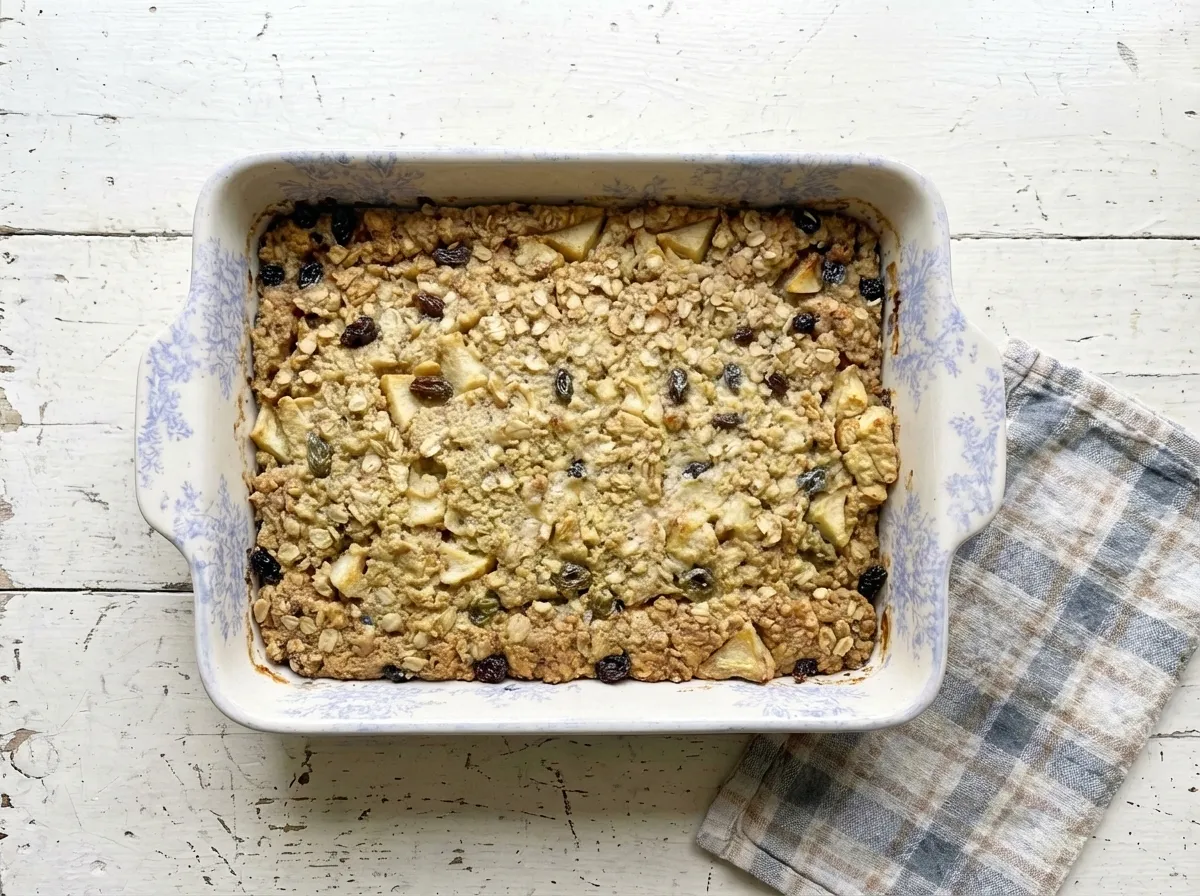
If you want to cook with this guide open beside the pan, start withApple Custard Baked Oatmeal, Milk-and-Egg Veggie Breakfast Casserole, and Cheesy Broccoli Egg Bake for Supper.
If this question leads into another one, keepHow to Swap Buttermilk by Weight and How to Test Baking Powder, Baking Soda, and Salt Before a Big Batch nearby.
If you want the notebook version of this idea, keepAt 7:10, Breakfast Starts Too Fast — Here Is How We Hold It and Before the Freezer Fills Wrong — Here Is What Earns the Space handy too.
If you need the fast answer, respect eggs when the pan needs set, respect milk when the recipe needs straightforward hydration and browning, and respect cultured dairy when tenderness and acidity are doing structural work.
Eggs and dairy are often carrying more of the bake than people realize. They are not just background richness. They decide set, softness, browning, tang, and sometimes how the leavener behaves.
At-a-glance comparison
| Ingredient | What it does | Best use | What it risks when swapped badly |
|---|---|---|---|
| Eggs | Set, structure, richness | Casseroles, custards, breakfast bakes, cakes | Loose pans, weak crumb, rubbery texture if the balance shifts |
| Milk | Hydration, browning, softness | Everyday batters and doughs | Thinness if used where thicker dairy was expected |
| Buttermilk or yogurt | Acidity, tenderness, thickness | Muffins, biscuits, cakes, breads | Heavier batter or altered lift if the acid balance changes |
| Sour cream | Richness, moisture, thicker body | Coffee cakes, rich batters, some casseroles | Dense crumb if used where the formula expected lighter dairy |
Grams-first guidance
- A large egg usually brings about
50 gout of shell. 240 gmilk is a true cup by weight, and it behaves much thinner than240 gyogurt or sour cream.- If you replace buttermilk with a thicker cultured dairy, loosen it before mixing or expect a heavier batter.
- If you remove eggs from a breakfast bake or casserole, do not act surprised when the pan loses set. Eggs are often the structure path, not just a flavor add-on.
Best, acceptable, and avoid
- Best for structure: eggs
- Best for simple hydration: milk
- Best for tenderness and tang: buttermilk or yogurt, when the recipe expects acidity
- Acceptable: swapping one cultured dairy for another by weight if you also respect thickness
- Avoid: treating buttermilk like plain water
- Avoid: cutting eggs hard in casseroles and expecting the pan to hold together the same way
Failure states and fast rescue
| Symptom | Likely cause | Immediate fix | Prevention |
|---|---|---|---|
| Breakfast bake will not set | Too few eggs or too much extra liquid | Bake longer only if the center is still clearly underdone; otherwise serve by spoon | Keep the egg balance disciplined in casserole-style formulas |
| Crumb turns rubbery | Eggs overcooked or dairy tightened too hard | Rest the bake before cutting and avoid hard reheating | Pull the pan when it is set, not dry |
| Batter feels heavier than expected | Thick cultured dairy changed the mix | Loosen with milk 15 to 30 g at a time if the formula allows | Check thickness, not just volume |
| Bake tastes flat and pale | Milk or dairy swap changed browning and tang | Finish with salt or spice only if the recipe supports it | Respect the original dairy role before swapping |
| Pan weeps after cooling | Dairy-heavy bake held too much moisture | Cool fully, then chill so it can set firmer | Avoid overloading rich dairy where the pan already runs soft |
Ranked recommendation framework
Best
- eggs when the pan needs real set
- milk when the recipe needs clean hydration and dependable browning
- cultured dairy when tenderness and acidity matter
Acceptable
- one cultured dairy swapped for another by weight, with thickness adjusted
- small egg reductions only when the pan is not structurally dependent on them
Avoid
- big egg cuts in casseroles
- thick dairy dropped into a light batter with no adjustment
- ignoring food safety in egg-heavy or dairy-heavy pans meant for tomorrow’s meal
Recipe applications on Ruthann’s shelf
- Apple Custard Baked Oatmeal depends on eggs and dairy carrying set and tenderness together.
- Broccoli Egg Supper Bake is exactly the kind of pan that proves eggs are structure, not decoration.
- Veggie Breakfast Casserole needs disciplined cooling and reheating because egg and dairy structure changes again after the oven.
- Big-Batch Buttermilk Sandwich Bread shows how cultured dairy can soften crumb without making the dough shapeless.
If the dairy question is really an acid-and-lift question, go next to How to Test Baking Powder, Baking Soda, and Salt Before a Big Batch. If it is really a thickness question, keep How to Swap Buttermilk by Weight open beside the bowl.